Building the Next Generation of Marine Scientists, Environmental Researchers, and Ocean Leaders

Building the Next Generation of Marine Scientists, Environmental Researchers, and Ocean Leaders

Black Tech Link’s BIPOC Coastal Research Program (BCRP) provides field research training, scuba certification, GIS training, and professional mentorship that prepares college students for careers in the Blue Economy.
What is BCRP?

California’s premier undergraduate program turning underrepresented students into certified researchers, divers, and Blue Economy professionals — fully funded, hands-on, and built for students the field has historically left out.

Skills Learned

2026 Program at a Glance

What

A 12-week spring mentorship and field training intensive.

Who

14 regional college students from underrepresented backgrounds.

When

February 3 – May 28, 2026 (Program meets Fridays & Saturdays).

Support

All program costs, including PADI certification and field equipment, are fully funded.

Applications Open

October 20, 2025.

Deadline to Apply for the 2026 Cohort is February 3rd, 2026.

Our Impact

College Students Trained
0
Field Research Days
0 +
PADI Certifications Earned
0
Campuses Served
0

What You’ll Learn

Core Field & Technical Training

 A 12-week curriculum focused on foundational marine science skills.

  • PADI Certification: Students earn their PADI (Professional Association of Diving Instructors) Open Water Diver certification, which allows them to conduct safe and effective underwater research.
  • Water Quality Testing: Participants conduct water quality tests in local coastal ecosystems and analyze key environmental indicators to understand pollution impacts.
  • Biodiversity Tracking: Students use digital tools such as iNaturalist to record species and help build local conservation data.

Advanced Research & Data Communication

Students are trained to apply their skills to real-world environmental challenges and communicate their findings.

  • Field Excursions: The program includes several diving trips and field excursions, with special research projects at the Tijuana River Estuary.
  • Geospatial Analysis: Students learn to use Esri ArcGIS software for mapping and spatial analysis.
  • Science Communication: Participants create reports and presentations with ESRI StoryMaps to share scientific data with a wide audience.

Professional Development

Weekly mentorship and career workshops support participants’ readiness for the workforce.

  • Direct Mentorship: Students get guidance from researchers, faculty, and Ph.D. students at partner institutions.
  • Networking: Participants attend conferences and connect with GIS organizations and environmental leaders. 

Why This Matters

California’s coastline is at a critical crossroads. Climate change, sea level rise, pollution, habitat degradation, and biodiversity loss are reshaping our coastal and marine ecosystems at an unprecedented pace. Addressing these complex challenges requires a new generation of environmental leaders who bring diverse perspectives, scientific expertise, and strong connections to the communities most affected by environmental change.

The BIPOC Coastal Research Program is preparing that next generation by combining hands-on field research, emerging technologies, environmental stewardship, and workforce development. Through experiential learning, students gain practical skills in marine and coastal science, GIS and geospatial technologies, environmental monitoring, data analysis, and science communication—while developing the leadership and collaborative skills needed to advance resilient, equitable, and sustainable solutions for California’s coast and beyond.

California’s Coastal Ecosystems

Stretching from Los Angeles County to the Tijuana border, California’s coastline is one of the most diverse ecosystems in the world. Students in our program explore tidepools, kelp forests, wetlands, estuaries, and sandy beaches that support thousands of marine species and play essential roles in climate regulation and coastal protection.

These ecosystems, however, face growing threats from pollution, urban runoff, habitat loss, and climate change. Areas like the Tijuana River Estuary and San Diego’s wetlands are among the most at-risk environments in the region.

The BIPOC Coastal Research Program helps protect these ecosystems by training students to conduct biodiversity surveys, water-quality testing, and coastal monitoring. Through hands-on science and stewardship, participants contribute to ongoing efforts to understand and safeguard the unique coastal environments that define Southern California.

Program History

2025 Inaugural Cohort ​

Our Summer 2025 “BCRP Lite” pilot program successfully tested and refined the model for this initiative. This cohort demonstrated high engagement and significant outcomes:

  • Participants: 14 students from local community colleges and universities, including SDSU, UCSD, and CSU Fullerton.
  • Certifications & Skills: 12 students earned new PADI Open Water certifications, and all participants received training in GIS StoryMaps.
  • Field Experience: Working with UC San Diego Scripps Institution, students observed more than 300 biological samples and organized community beach cleanups.
This program was extremely beneficial, and I am so grateful to have been part of this cohort and afforded the opportunity to participate. Our group bonded so well during the short time we had together, and the staff and guest instructors were truly amazing in supporting us. I hope to move forward in this field with the knowledge I gained, and I would be more than willing to support Black Tech Link in future cohorts if the opportunity arises.

Global Learning

The BIPOC Coastal Research Program extends learning beyond the classroom, connecting students with coastal communities, researchers, and conservation initiatives around the world. Through international field experiences, participants compare ecosystems, explore innovative conservation practices, and build the cross-cultural competencies and professional networks that leadership in the Blue Economy demands.

Study Abroad in Brazil
(Summer 2027)

Field research: Coral reefs, mangrove forests, estuaries, and coastal ecosystems

Collaborations: Universities, conservation organizations, and local communities

Focus areas: Marine science, sustainable aquaculture, and biodiversity conservation

Scuba Certification — Dive Into Research

Scuba is one of the things that sets BCRP apart. Students earn a globally recognized PADI Open Water certification and learn to dive for real research — no prior experience required.

Blue Economy Career Pathways

One of the biggest questions students ask is, “What job will I get?” BCRP connects every skill you learn to a real Blue Economy career.

Industries

Career Opportunities

Program Benefits

What you walk away with.

Graduate School Preparation

Real research experience and a completed capstone project that strengthen graduate applications.

Internships & Entry-Level Roles

Hands-on GIS and fieldwork skills that translate into environmental and conservation careers.

Career Placement Support

Direct connections to professionals and workforce pathways through mentorship sessions.

Research Lab Invitations

Field experience in sampling, monitoring, and data collection that opens doors to lab opportunities.

Conference Presentations

Every student presents a final research project — real experience communicating science.

Portfolio-Ready Credentials

A PADI certification and a professional StoryMaps project to show for it.

Meet Our Students

“I had a great experience in the BIPOC Coastal Research Program. The program was informative, engaging, and gave me valuable exposure to the field through hands-on research. I especially enjoyed the networking opportunities, which helped me explore potential career paths and connect with professionals. Thank you for creating such a supportive and meaningful program.”

— BCRP Participant

“I’ve been long torn between choosing Civil, Chemical, or Environmental Engineering, or Environmental Science. This program solidified my major as Engineering, since it feels like the right fit for me. But I haven’t lost my love for the environment, and I still want to work somewhere environmentally conscious.”

— BCRP Participant

“The fact that the program covered the majority of costs was phenomenal. It removed barriers to fully immerse myself in the program without having to think about whether I could afford to participate.”

— BCRP Participant

“I truly had a great time learning more about marine biology and oceanography. I will always appreciate this program for allowing me to explore further into an industry I was already very interested in.”

— BCRP Participant

Test

Lorem ipsum dolor sit amet, consectetur adipiscing elit. Ut elit tellus, luctus nec ullamcorper mattis, pulvinar dapibus leo.

Research Projects

Where BCRP students actually do the work, from the LA River to the Tijuana River Estuary, La Jolla tidepools to the edge of the atmosphere.

Water Quality Monitoring: LA River

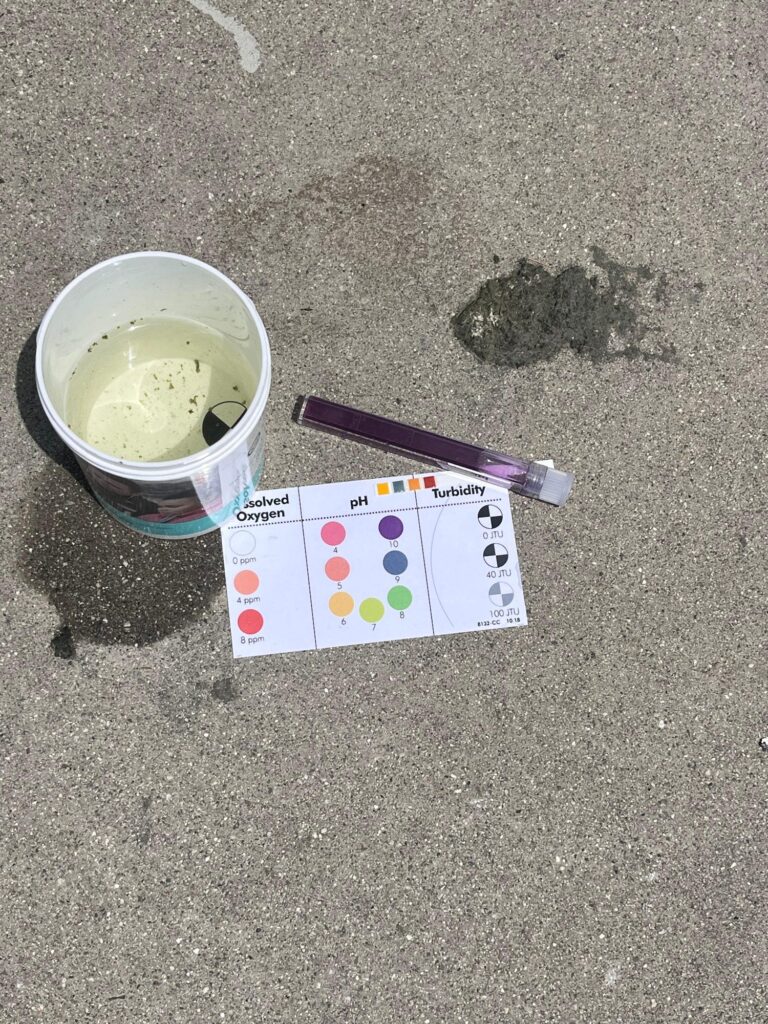
Students collecting water-quality field data at the LA River — Black Tech Link BIPOC Coastal Research Program (BCRP)
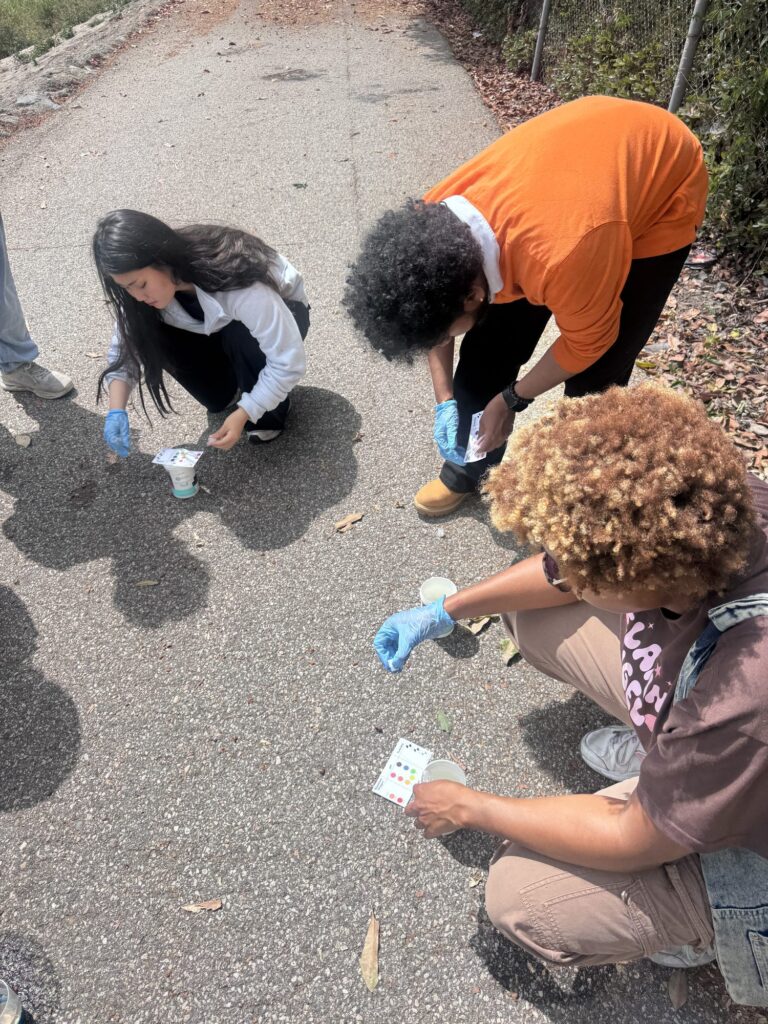
Students test pH, dissolved oxygen, and turbidity along Compton Creek as part of LA Waterkeeper's River Assessment Field Team program.
Water-quality color chart and sample bucket on the sand — Black Tech Link BIPOC Coastal Research Program (BCRP)

Water Quality Monitoring: Tijuana River

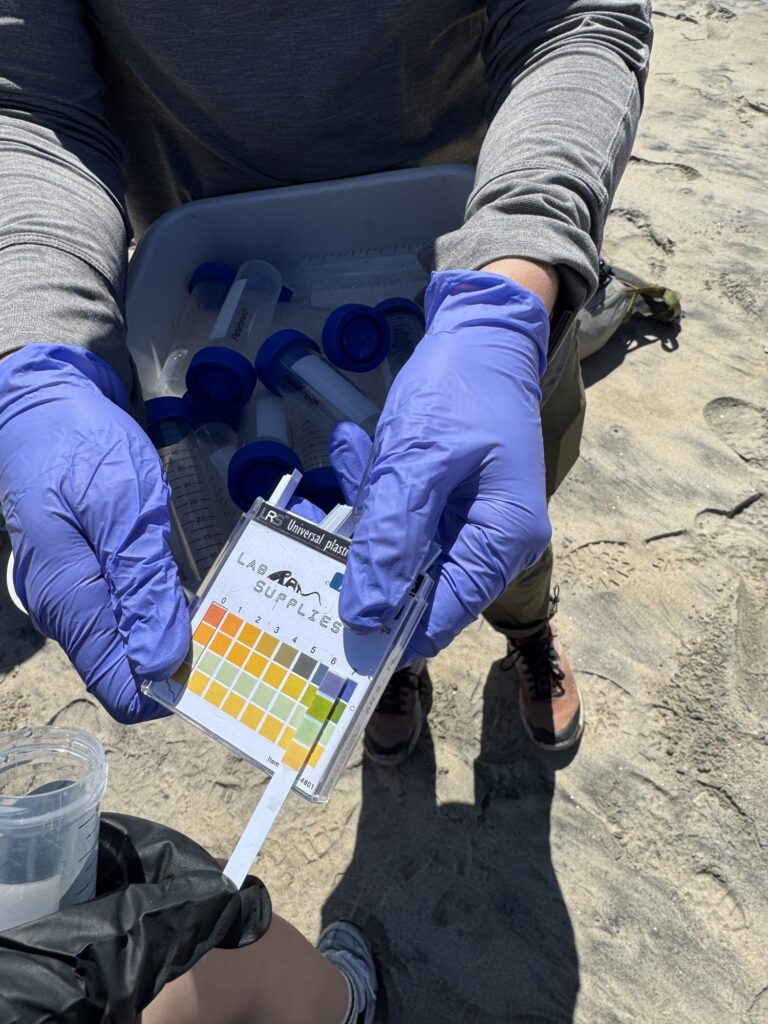
Gloved hands with a water-quality test chart — Black Tech Link BIPOC Coastal Research Program (BCRP)
Collecting river water samples for pH testing at the Tijuana River Estuary in Imperial Beach.
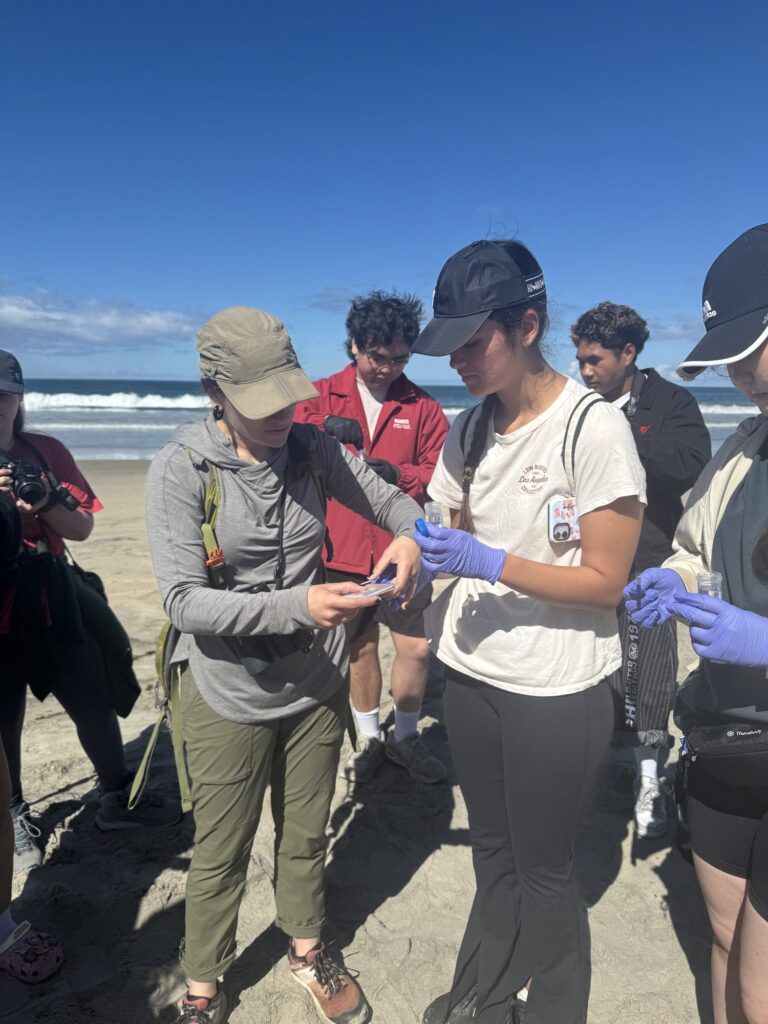
Students sampling water on the beach — Black Tech Link BIPOC Coastal Research Program (BCRP)
Students work alongside US Fish and Wildlife researchers to measure water quality in one of Southern California's most complex coastal systems.
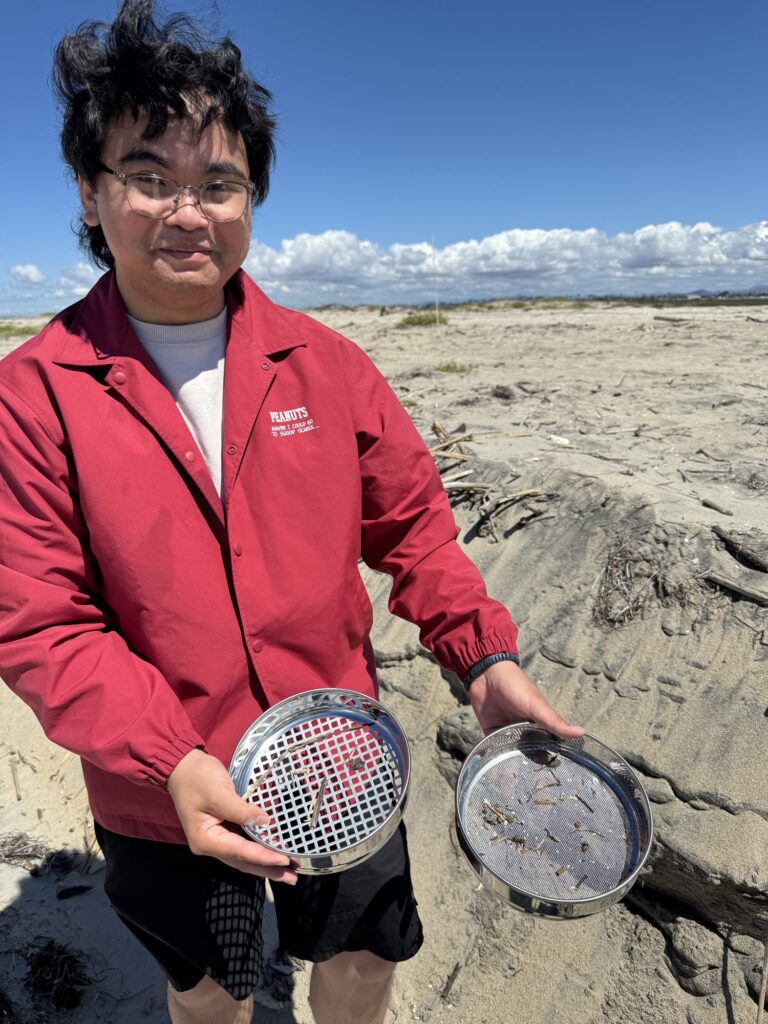
Student sifting a sediment sample on the beach — Black Tech Link BIPOC Coastal Research Program (BCRP)
Field sampling at the Tijuana River Estuary, where sediment contamination and runoff make water quality monitoring an ongoing priority.

Lab Visits

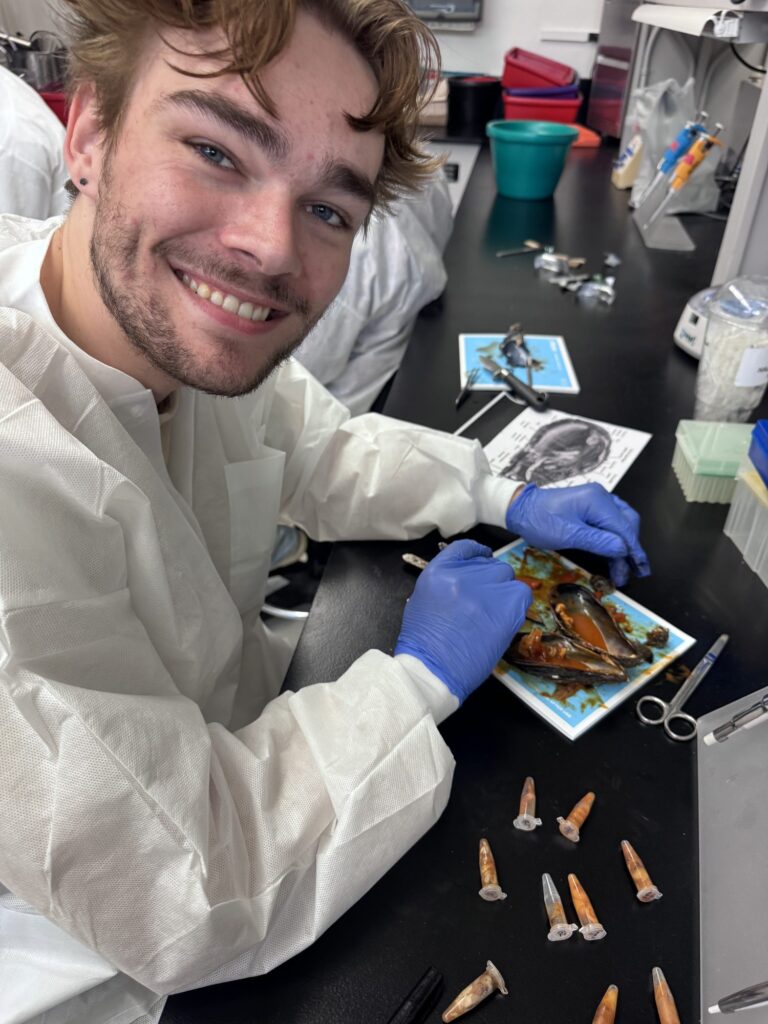
Student in a lab coat with specimens on a tray — Black Tech Link BIPOC Coastal Research Program (BCRP)
Examining marine invertebrates under the microscope at the Boz Life Science Research and Teaching Institute in La Jolla.
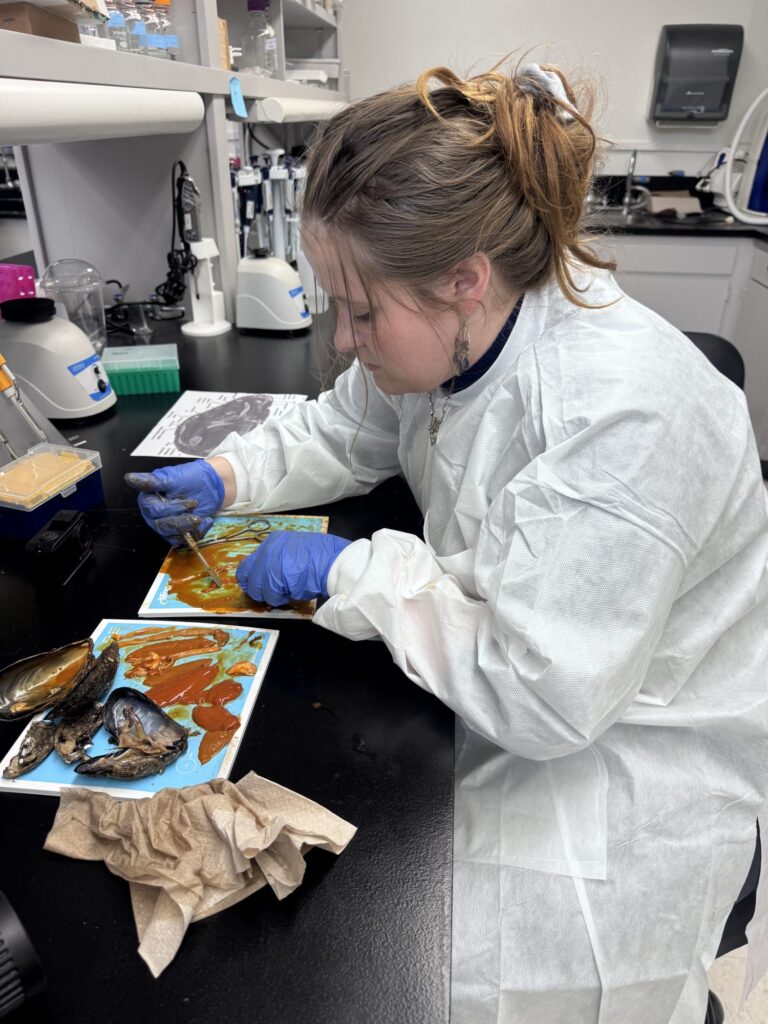
Student examining a marine specimen in a lab coat — Black Tech Link BIPOC Coastal Research Program (BCRP)
Students learn how certain species act as bioindicators, signaling pollutant exposure in marine environments.

Scuba Diving

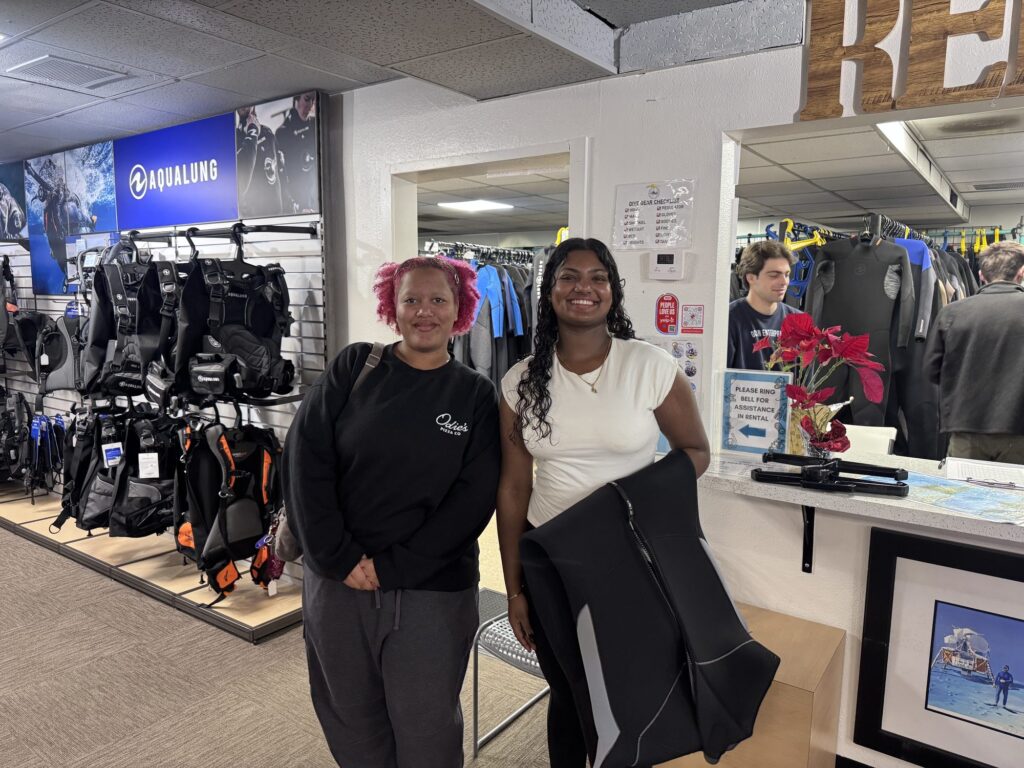
Two students at a scuba dive shop — Black Tech Link BIPOC Coastal Research Program (BCRP)
Open water training with certified instructors from SoCal Black Divers.
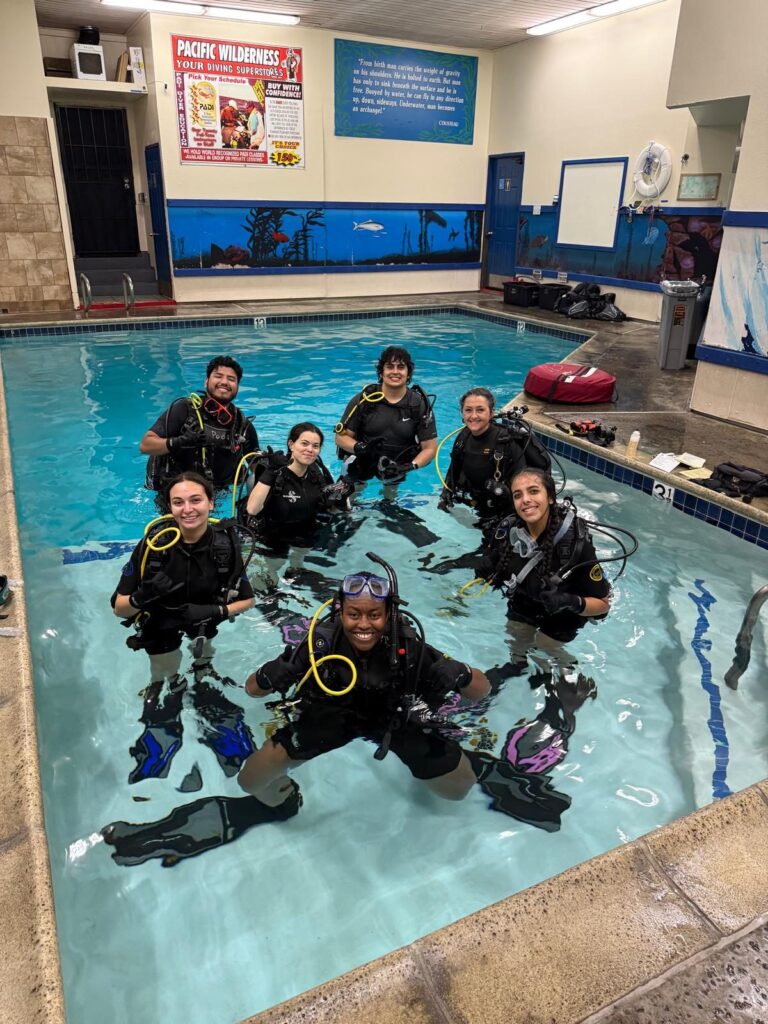
Cohort scuba training in a pool (PADI) — Black Tech Link BIPOC Coastal Research Program (BCRP)
Pool sessions build the fundamentals before students head into open water.
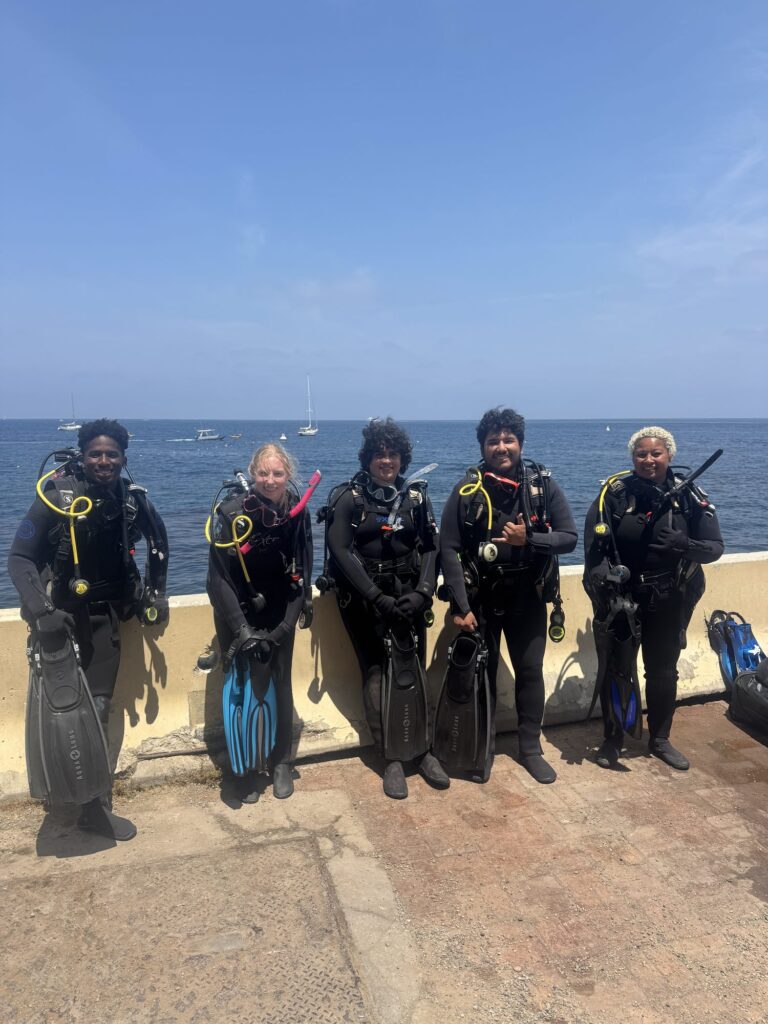
Dive cohort in wetsuits on a seawall — Black Tech Link BIPOC Coastal Research Program (BCRP)
Suited up and ready to descend. For most participants, this is their first time diving.
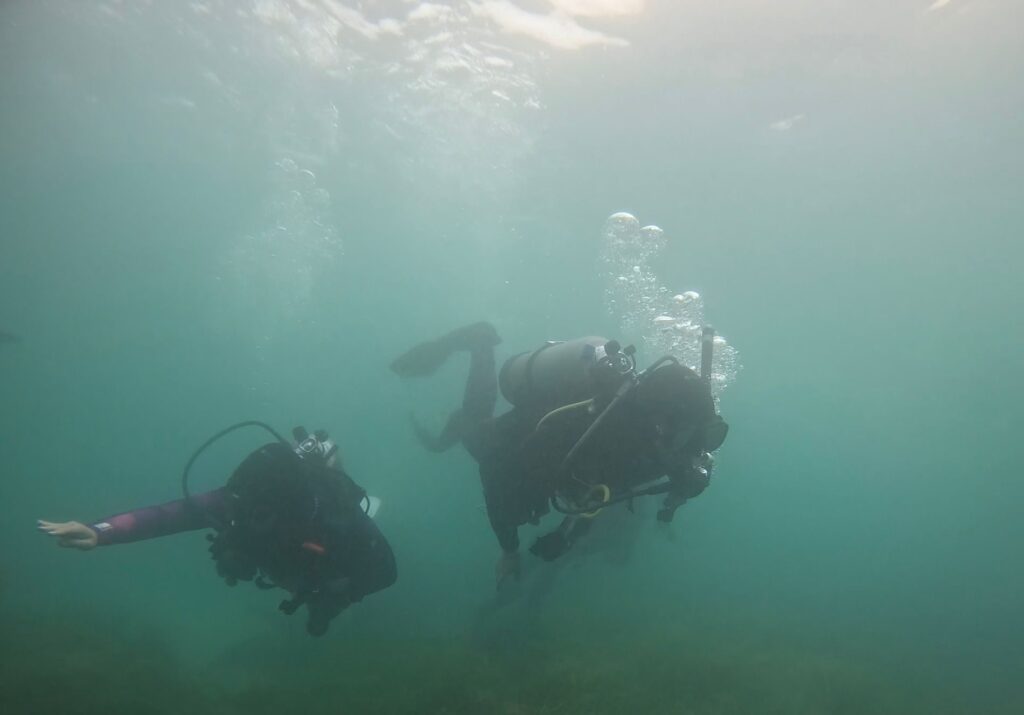
Two scuba divers underwater on a research dive — Black Tech Link BIPOC Coastal Research Program (BCRP)
Underwater observation gives students direct access to the habitats they've been studying from shore.
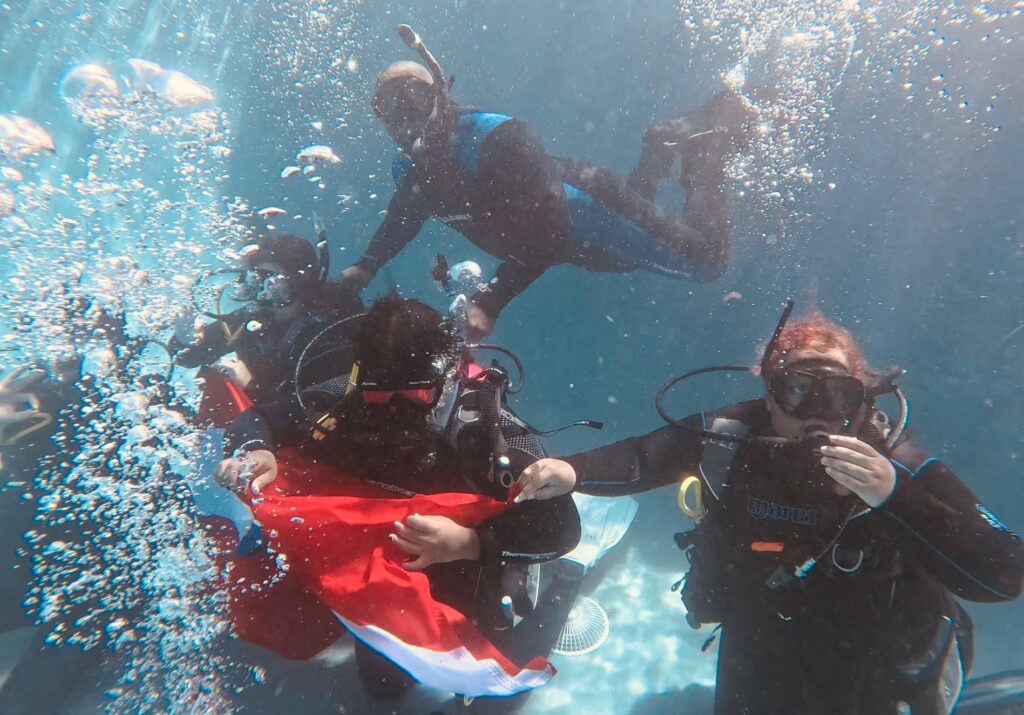
Two scuba divers underwater holding a flag — Black Tech Link BIPOC Coastal Research Program (BCRP)
Earning a PADI Open Water certification opens the door to marine research careers that require diving.
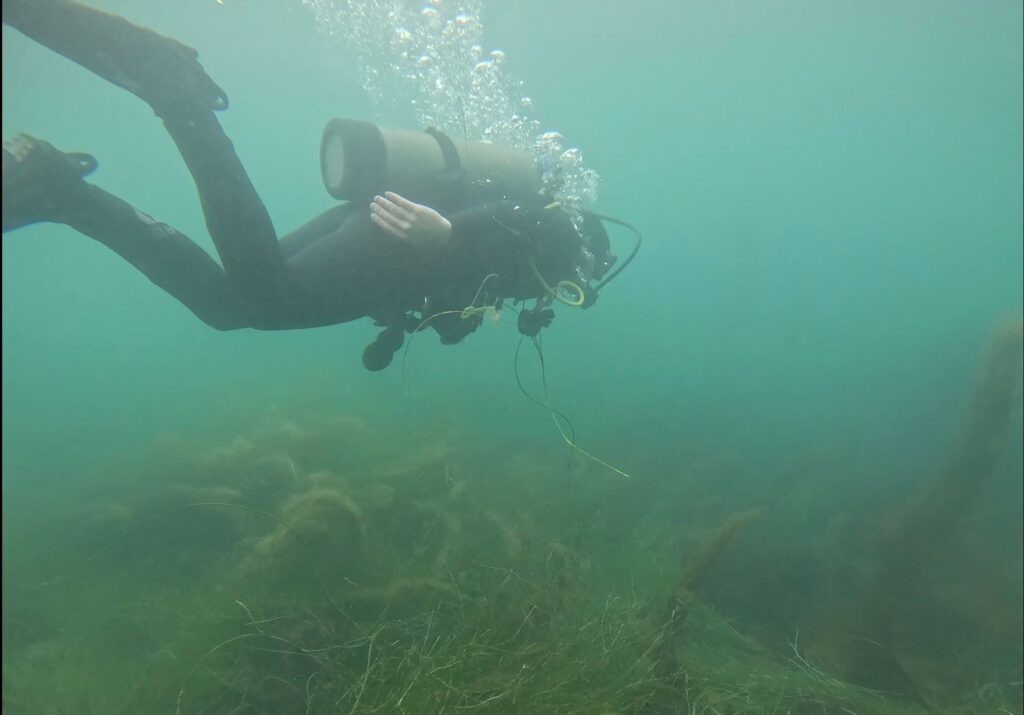
Scuba diver in a kelp forest — Black Tech Link BIPOC Coastal Research Program (BCRP)
Students surface after a training dive along the San Diego coast.

Beach Cleanup

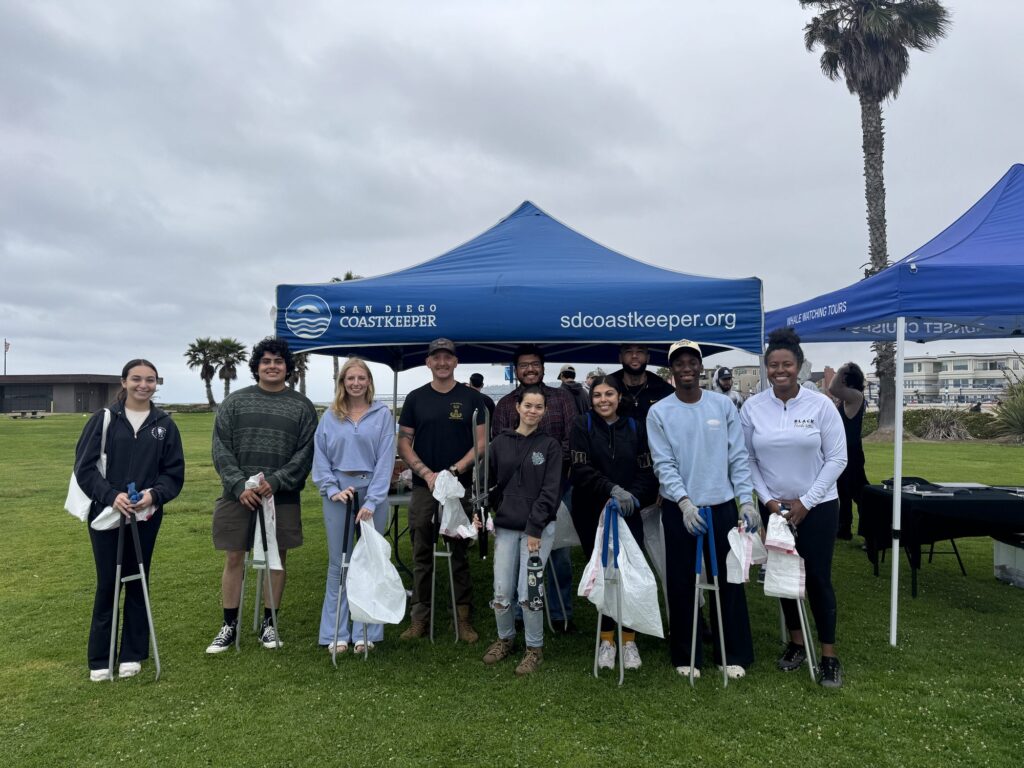
Group cleanup at a San Diego Coastkeeper booth — Black Tech Link BIPOC Coastal Research Program (BCRP)
Students remove debris from the shoreline alongside San Diego Coast.
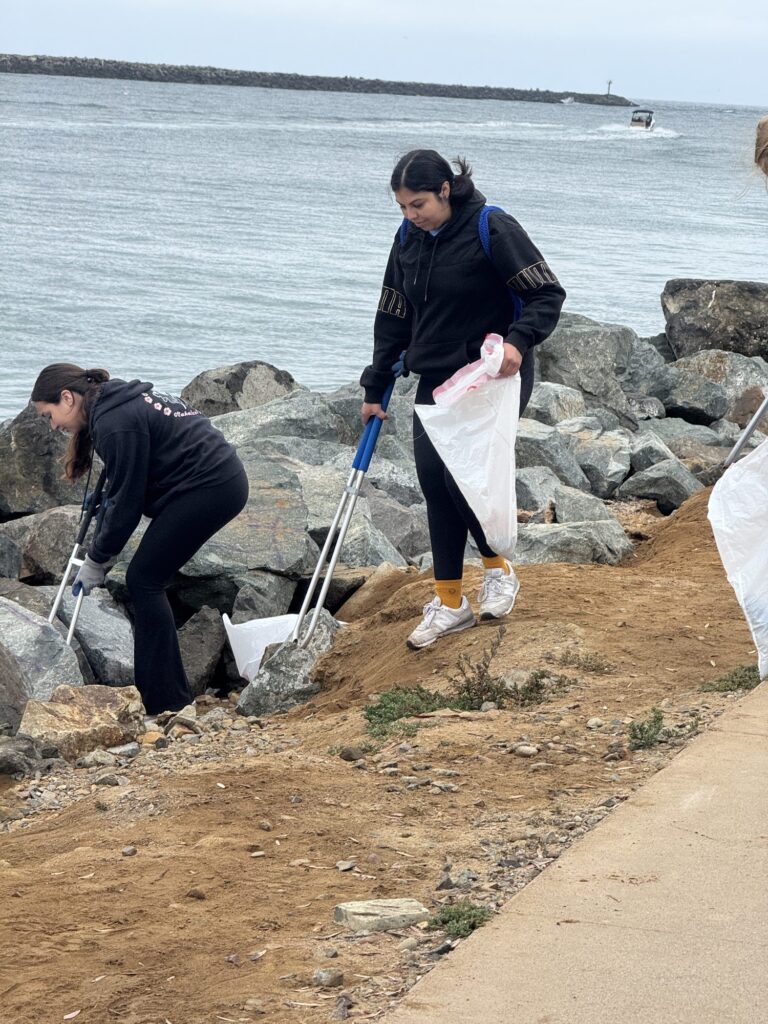
Students cleaning up a rocky shoreline — Black Tech Link BIPOC Coastal Research Program (BCRP)
Documenting what washes up is part of understanding what ends up in the water.
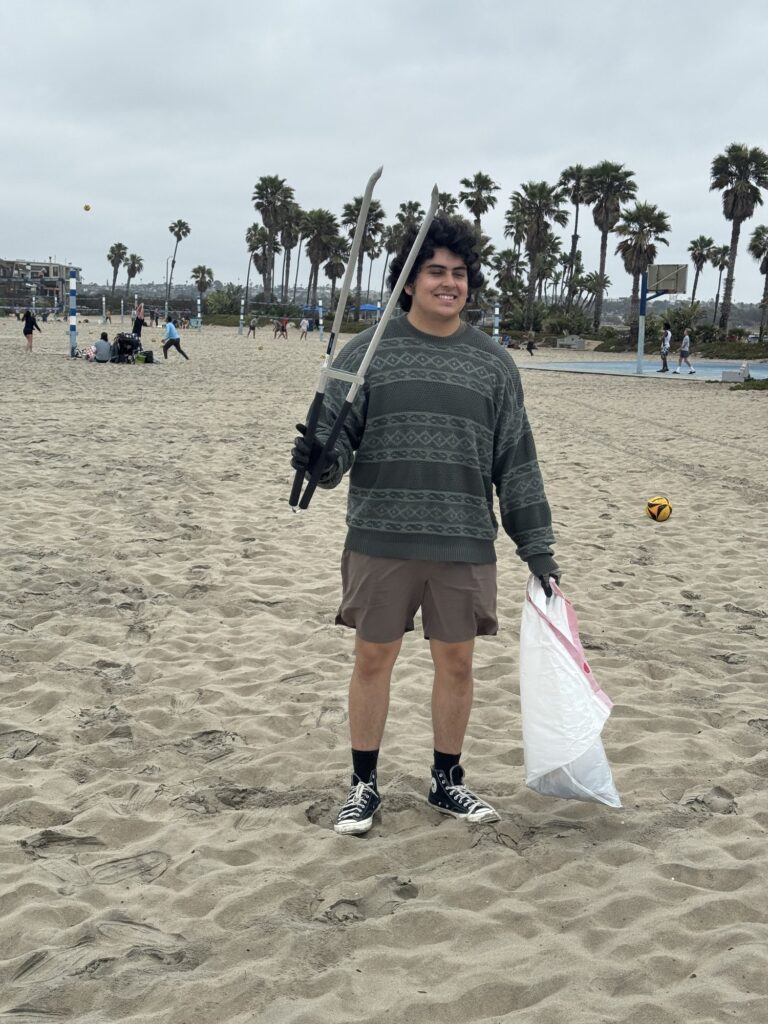
Student with grabber and trash bag on the beach — Black Tech Link BIPOC Coastal Research Program (BCRP)
Community science in action, one bag at a time.

Boating

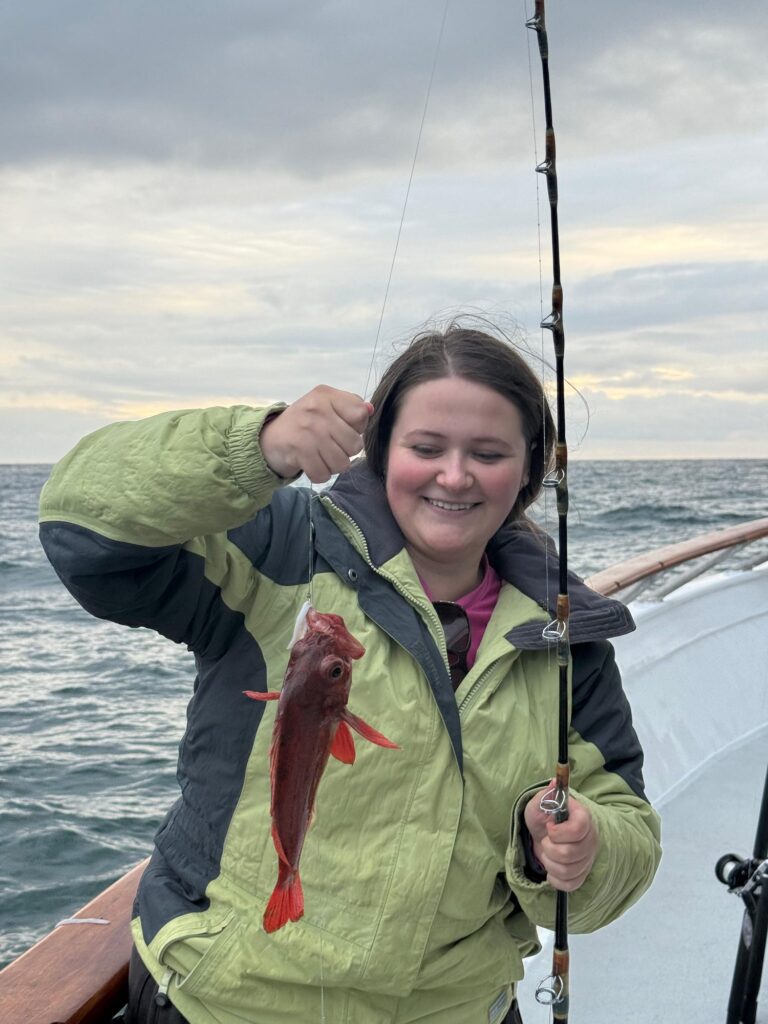
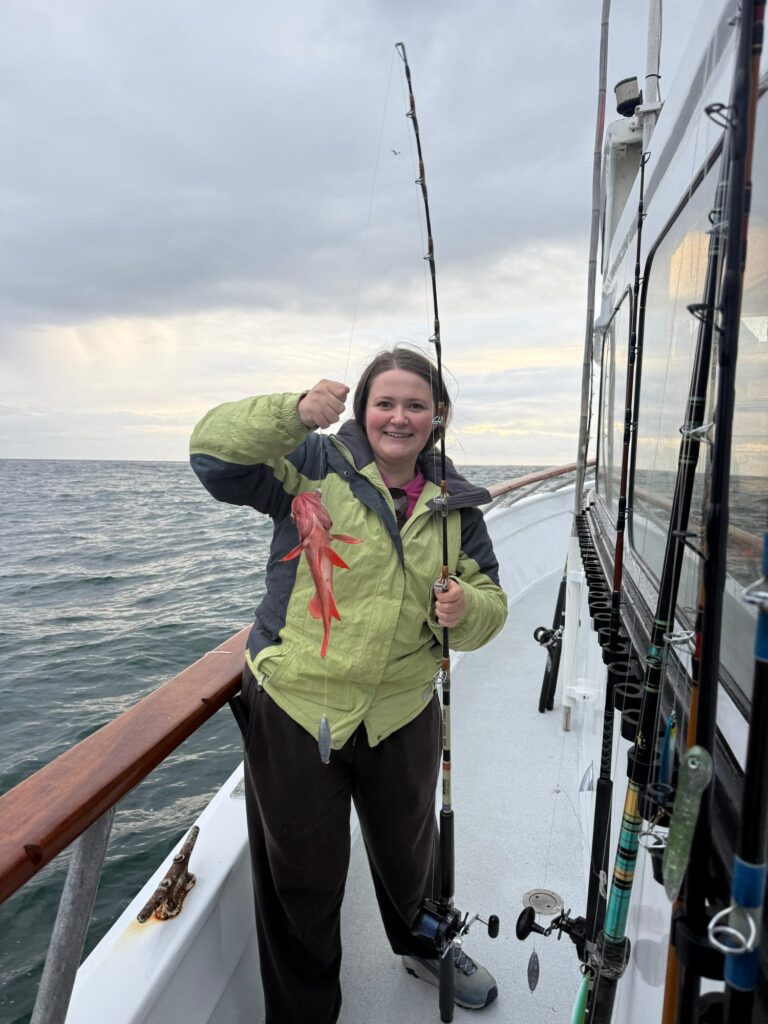
Student on a boat holding a caught fish — Black Tech Link BIPOC Coastal Research Program (BCRP)
Boat-based fieldwork gives students access to research sites they can't reach from shore.
Student fishing on a research boat — Black Tech Link BIPOC Coastal Research Program (BCRP)

Bird Surveys

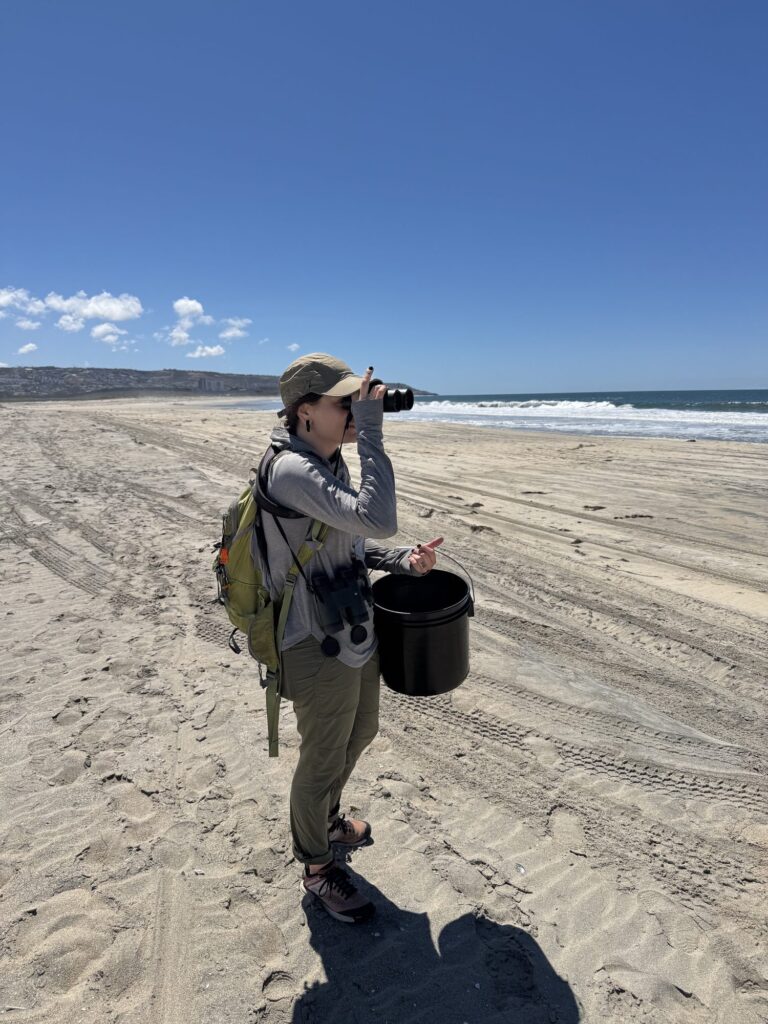
Coastal bird survey and monitoring — Black Tech Link BIPOC Coastal Research Program (BCRP)
Identifying native bird species along the coastal walk at the Tijuana River Estuary.
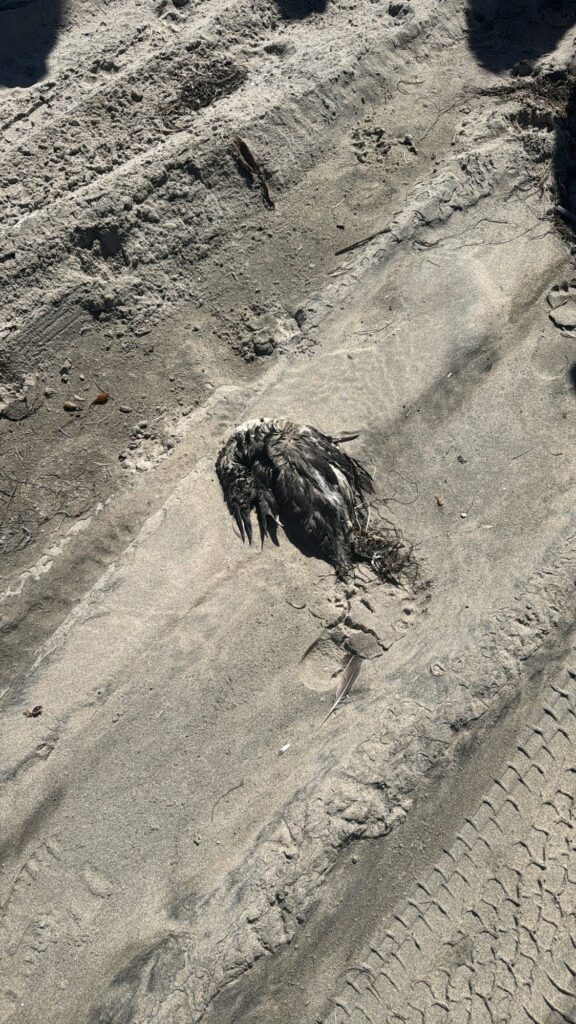
Marine specimen on the sand (survey close-up) — Black Tech Link BIPOC Coastal Research Program (BCRP)
Students observe local bird populations as indicators of estuary health in Imperial Beach.

Conservation Research

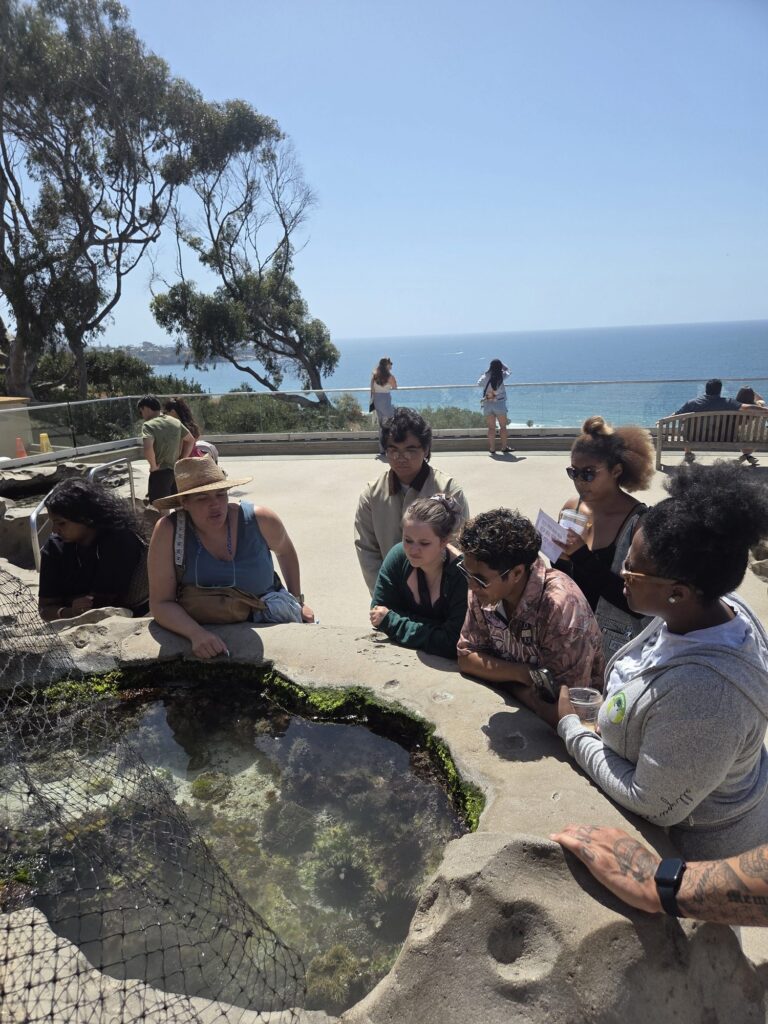
Students exploring coastal habitats at the Scripps Coastal Reserve in La Jolla — Black Tech Link BIPOC Coastal Research Program (BCRP)
Exploring coastal habitats and conservation practices at the Scripps Coastal Reserve in La Jolla.

GIS Mapping

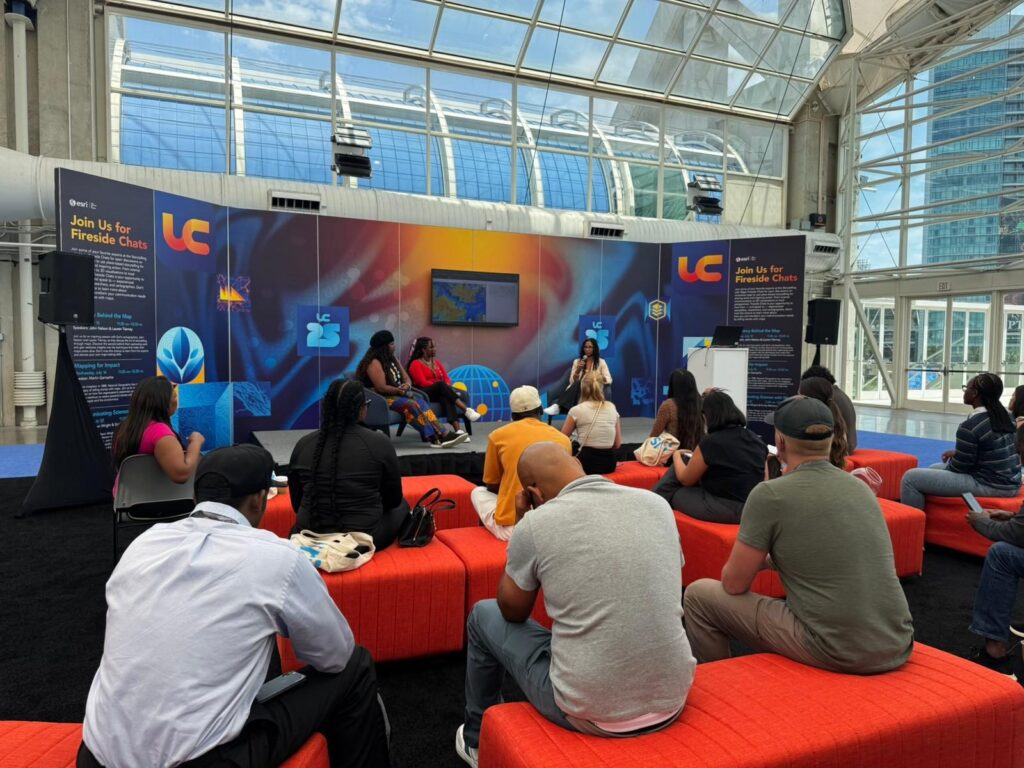
BCRP students at the Esri User Conference in San Diego — Black Tech Link BIPOC Coastal Research Program (BCRP)
BCRP students at the Esri User Conference in San Diego, where more than 10,000 geospatial professionals gather each year.

Weather & Altitude Research

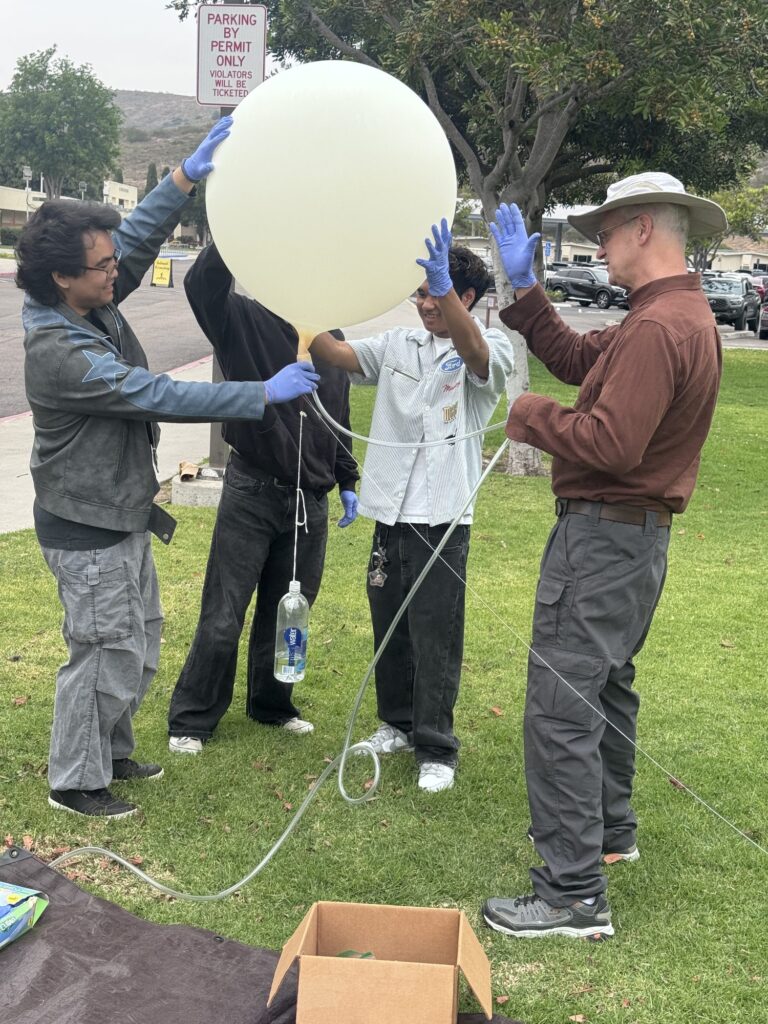
Students launching a weather balloon — Black Tech Link BIPOC Coastal Research Program (BCRP)
Preparing a high-altitude weather balloon for launch at Mt. Carmel High School in San Diego.
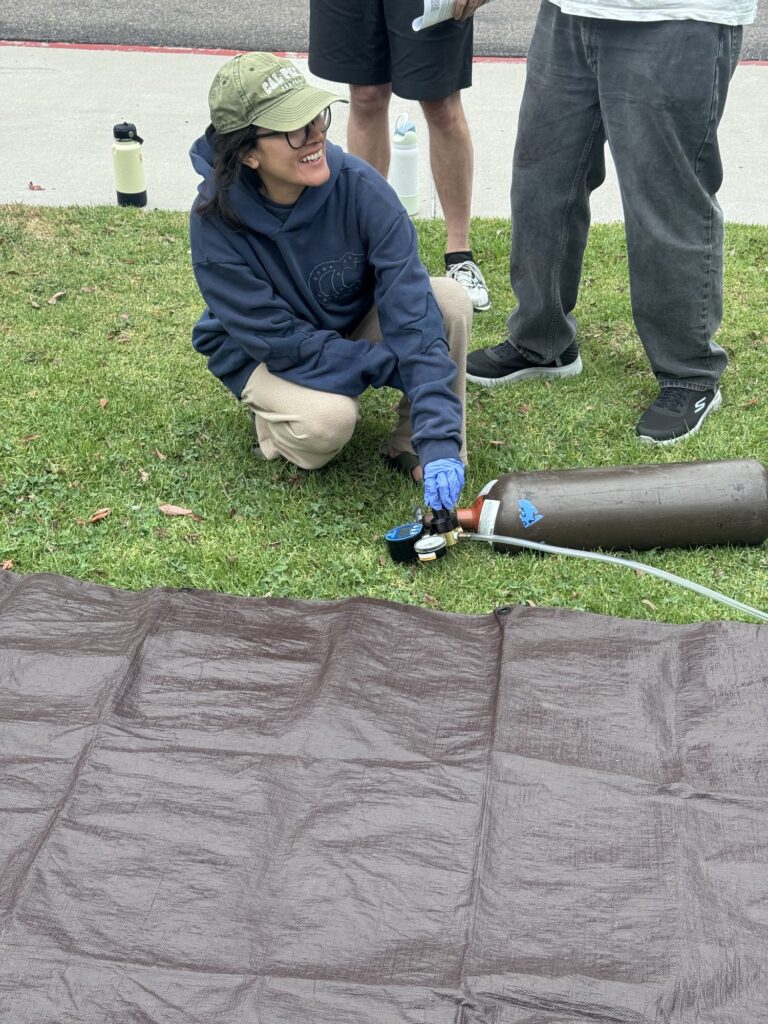
Prepping the weather-balloon payload — Black Tech Link BIPOC Coastal Research Program (BCRP)
Assembling the payload that will collect atmospheric data on the way up.
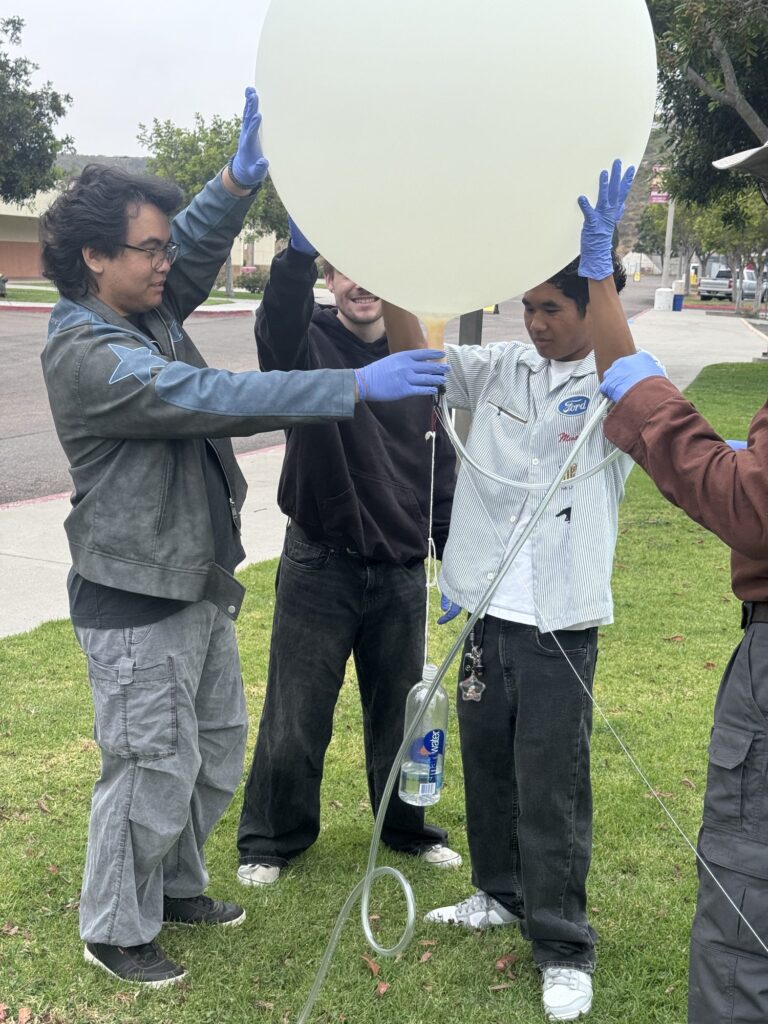
Students holding up a weather balloon — Black Tech Link BIPOC Coastal Research Program (BCRP)
Tracking the balloon in real time using HAM radio technology after release.

Tidepool Sampling

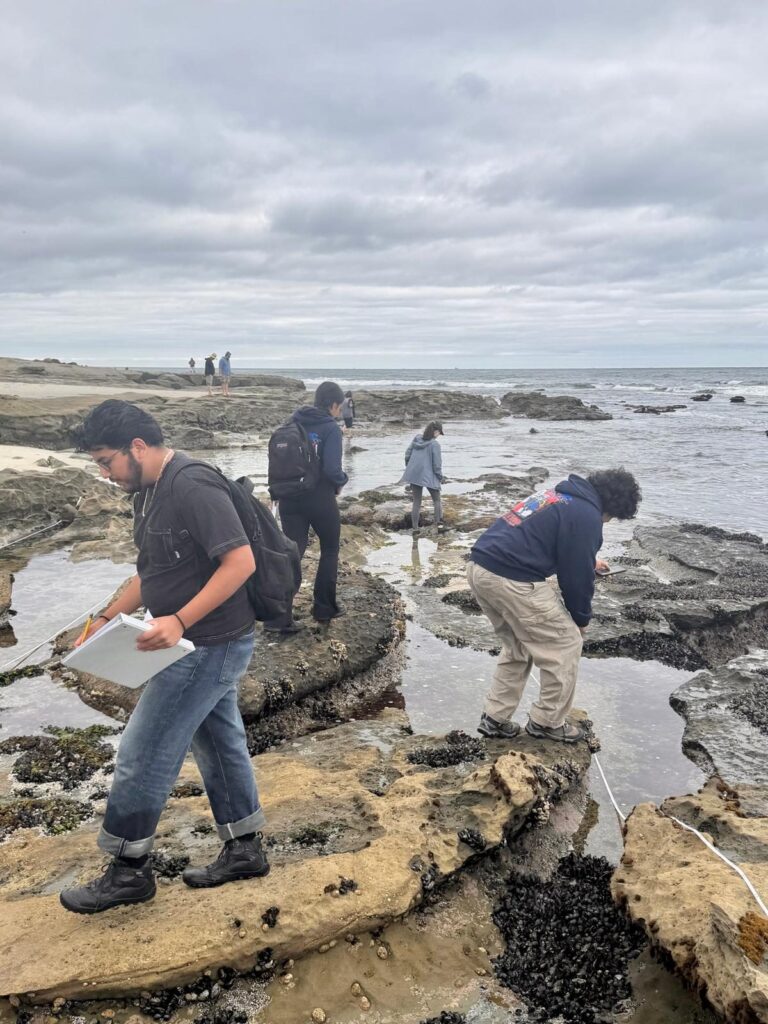
Students on a rocky tidepool coast — Black Tech Link BIPOC Coastal Research Program (BCRP)
Transect and quadrat sampling along the tidepools at Coast Boulevard in La Jolla.
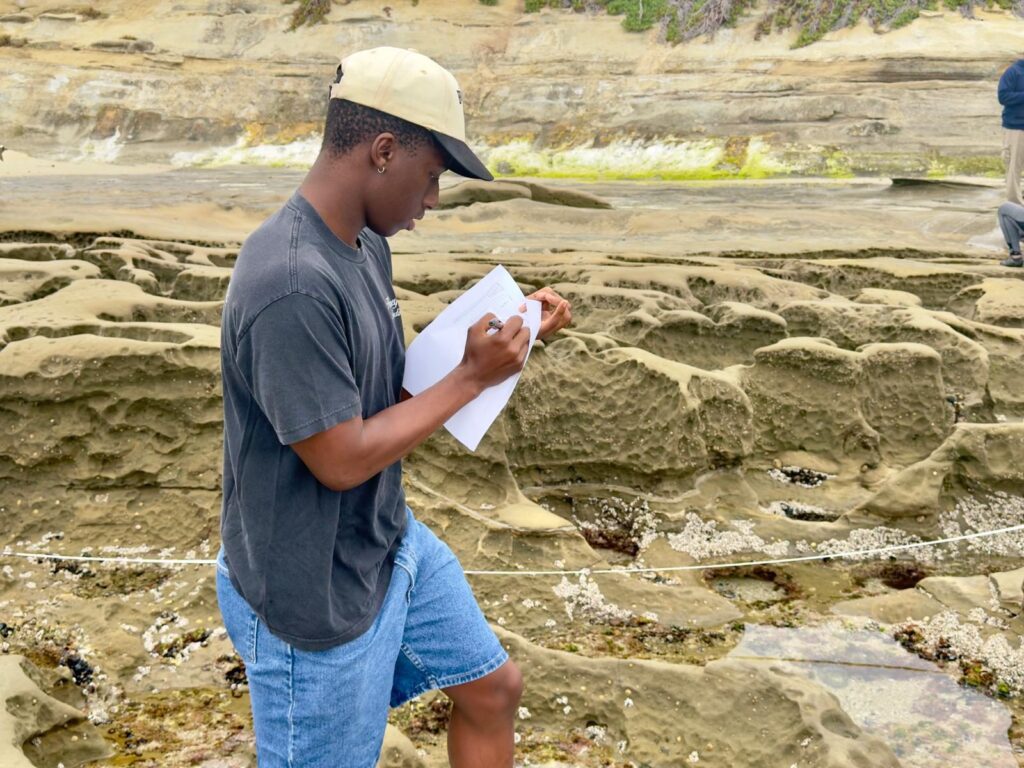
Student writing field notes at a coastal site — Black Tech Link BIPOC Coastal Research Program (BCRP)
Students document tidepool organisms and record species data in the field.
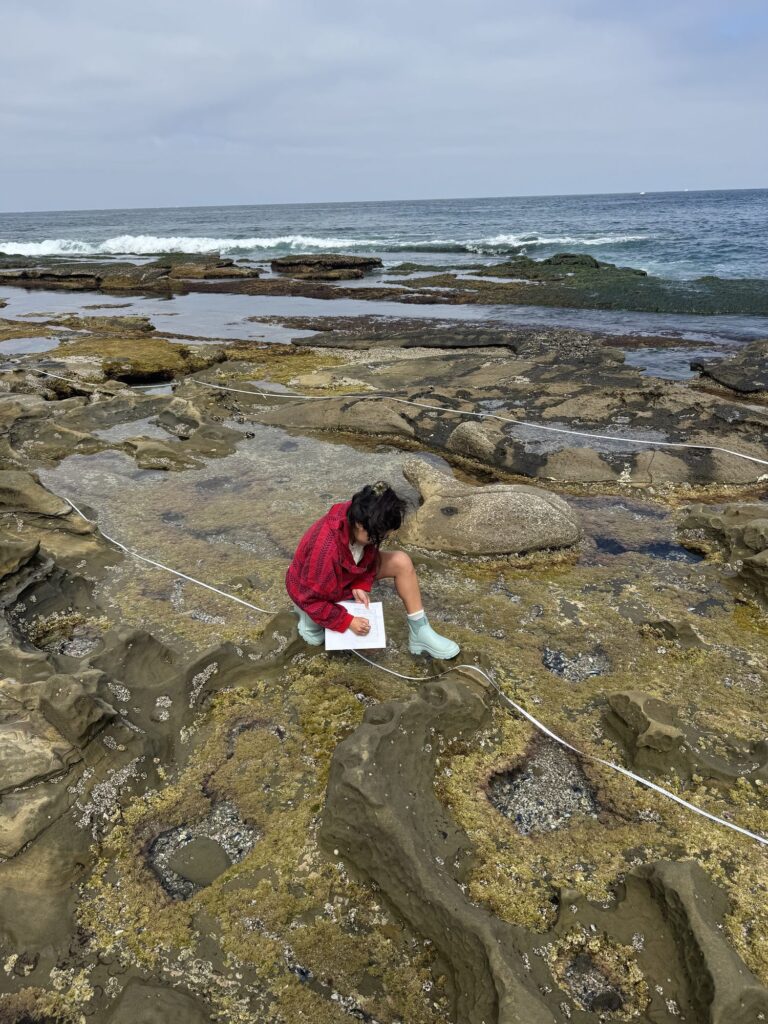
Student running a tidepool transect survey — Black Tech Link BIPOC Coastal Research Program (BCRP)
Learning to observe and identify marine life while minimizing disturbance to the habitat.

Our Research Sites Across Southern California

From La Jolla to the Los Angeles River, our students conduct hands-on field research at 11 active sites across the region.

Frequently Asked Questions

Any student at a two-year or four-year college who is actively pursuing a degree can apply. You don’t need a background in marine science or environmental studies — just curiosity and a willingness to get in the water and out in the field.

No. Most participants have never dived before joining BCRP. Certified instructors from SoCal Black Divers take you through classroom training, pool sessions, and your open water dives from the ground up — all the way to your PADI Open Water certification.

Yes. BCRP was built with community college students in mind, alongside students at public universities across San Diego, Los Angeles, Orange County, and the Inland Empire.

Nothing. The program is fully funded, so tuition, gear, transportation, and field fees are all covered for every accepted participant.

No. Wetsuits, dive gear, and all research and field equipment are provided. Just show up ready to work.

Transportation to field sites and research locations is covered as part of the program.

Participants typically meet two days a week, about six to eight hours per day, over the course of the 15-week program. The pace shifts depending on the activity — from classroom sessions to full field days.

We look for students who are motivated and ready to commit to hands-on fieldwork — not students who already have marine science experience. If you’re serious about showing up and doing the work, you’re the kind of applicant we want to hear from.

All across Southern California, including La Jolla Shores, Imperial Beach, the Tijuana River Estuary, Mission Bay, and Catalina Island.

When funding allows, we provide a learning stipend to participants. Availability can vary year to year depending on our grant funding, so we’ll always let accepted students know what’s available for their cohort.

Partnerships

The BIPOC Coastal Research Program is funded by a Liberated Pathways Grant from Justice Outside and the CA Natural Resources Agency. Our main academic partner is the UC San Diego Scripps Institution of Oceanography. We also work with community partners like LA Waterkeeper and San Diego Coastkeeper.

Contact

Elizabeth Cotton

Executive Director, Black Tech Link
elizabeth@blacktechlink.org
(951) 223-1030

Stay Informed

Black Tech Link is committed to equipping our members with resources and launching platforms to advance their careers and businesses. Become a Community Member.

BTL Newsletter Contact Form